The Flashback of the 60s, 70s, 80s Greatest Music Hits

Jun 15, 2015

Melissa Manchester - Don't Cry Out Loud (1979)

Melissa Manchester - Don't Cry Out Loud (1979) on WLCY Radio
"Don't Cry Out Loud" is a song written in 1976 by Peter Allen with lyricist Carole Bayer Sager that is best known as a hit single for Melissa Manchester in the US and for Elkie Brooks in the UK.


repeat
repeat_one
shuffle
skip_previous
play_circle_filled
pause_circle_filled
skip_next
volume_up


Melissa Manchester recorded "Don't Cry Out Loud" at the strong suggestion of Arista Records president Clive Davis, who felt that Manchester's intended 1979 album release lacked a potential Top 40 comeback hit. Davis assigned production of the track to Harry Maslin, who had co-produced the David Bowie albums Young Americans and Station to Station but whose most recent production work had been with Arista bubblegum act Bay City Rollers. Although Manchester herself regularly collaborated with lyricist Carole Bayer Sager - their output including Manchester's sole (to that point) Top Ten hit "Midnight Blue" - Harry Maslin would recall that Manchester "hated the song 'Don't Cry Out Loud' and was angry with me for doing it [i.e. producing Manchester's recording]"; "I think that's why I got such a wonderful vocal out of her". Recorded at Allen Zentz Studios Hollywood, "Don't Cry Out Loud" was released 11 October 1978 and did indeed reach the Top 40 at the end of 1978 rising to a number 10 peak on the Billboard Hot 100 twenty weeks later in March 1979. The single also reached number 9 on the Adult Contemporary chart, and thanks to its long chart life on the Hot 100, was ranked as Billboard′s 26th biggest hit of 1979, ranking ahead of a number of songs that reached higher peaks on the weekly surveys (including Sister Sledge's "We Are Family" and the Bee Gees' number-one hit "Love You Inside Out").
In 2004 Manchester would say of "Don't Cry Out Loud": "I finally understand what it meant ... I originally thought it was a brilliant song but it seemed like the antithesis of everything Carole Bayer Sager and I were writing which was always about self-affirmation and crying out and sharpening your communication skills. But it's a beautifully crafted song that was all about how in the end you just have to learn to cope - and that's no easy thing."
This version has been lip-synced to comic effect; once in Drop Dead Gorgeous, a 1999 dark comedy, and more recently in a May 2013 episode of Late Night with Jimmy Fallon, as part of a "Lip-Sync Off" with John Krasinski.
It was also featured lip synced in the BBC comedy Beautiful People.

Features of This Track

easy listening qualities
a prominent rhythm piano part
use of a string ensemble
acoustic sonority
major key tonality
melodic songwriting
an emotional female lead vocal performance
brass instrument solos
acoustic rhythm guitars
political lyrics
sad lyrics

Jun 13, 2015

Gerry Rafferty - Right Down The Line (1978)

Gerry Rafferty - Right Down The Line (1978) on WLCY Radio
"Right Down the Line" is a song by Guerry Rafferty from the 1978 album "City To City. "Right Down the Line" reached number 12 on the Billboard Hot 100, peaked for two weeks at number eight on the Cash Box Top 100, and spent four non-consecutive weeks at number one on the Easy Listening chart in the U.S. in 1978, the only Rafferty song to reach number one on this chart.


repeat
repeat_one
shuffle
skip_previous
play_circle_filled
pause_circle_filled
skip_next
volume_up


City to City is the second studio album by Scottish singer-songwriter Gerry Rafferty. It was Rafferty's first solo release in six years — and first release of any kind since 1975 — due to his tenure in the band Stealers Wheel and subsequent legal proceedings which prevented Rafferty from releasing any new solo recordings for the next three years. The album was strongly received, peaking at #1 in the US and going Platinum, as well as reaching #6 in the UK and achieving Gold status. "Baker Street", "Right Down the Line" and "Home and Dry" were successfully released as singles. "Baker Street" is widely regarded as Rafferty's signature song and by October 2010 had reached 5 million plays on British radio.

Jun 12, 2015

Peaches & Herb - Shake Your Groove Thing (1978)

Peaches & Herb - Shake Your Groove Thing (1978)
Shake Your Groove Thing is a song by disco duo Peaches & Herb. It reached No. 2 for four weeks on the Billboard Disco chart in 1978. The single reached No. 5 on the Billboard Hot 100 and No. 4 on the Billboard R&B Chart.

"Shake Your Groove Thing" has been featured prominently in many films such as An Extremely Goofy Movie, Monster, Shrek Forever After, The Adventures of Priscilla, Queen of the Desert, Connie and Carla, Marock, and The Country Bears, as well as in an advertisement campaign by Intel in the late 1990s.


repeat
repeat_one
shuffle
skip_previous
play_circle_filled
pause_circle_filled
skip_next
volume_up


It has also appeared in Grand Theft Auto: Episodes from Liberty City on the fictional radio station K109 The Studio.
In 1996, Filipino singer Regine Velasquez covered the song for her album Retro.
In 1997, Intel used this song in an advert for the Pentium MMX.
Alvin and the Chipmunks released two different cover versions. The first was with Drew Seeley for their 2008 album Undeniable which also appeared in the 2011 Alvin and the Chipmunks: Chipwrecked video game (without Drew's vocals). The second was with The Chipettes for the 2009 film Alvin and the Chipmunks: The Squeakquel and its soundtrack.

Jun 10, 2015

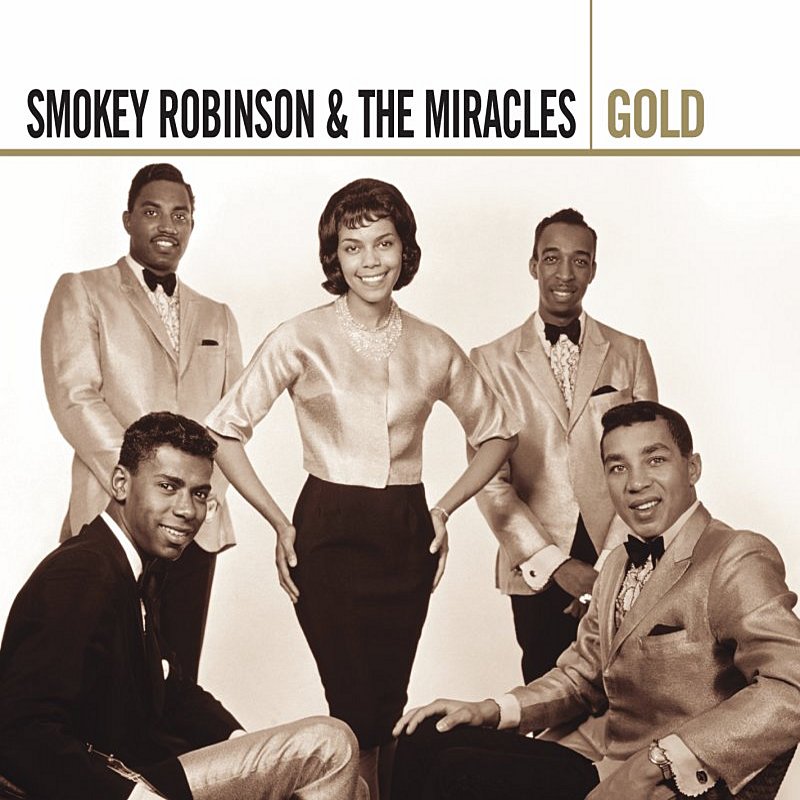
Smokey Robinson - Cruisin' (1979)

Smokey Robinson - Cruisin' (1979) on WLCY Radio
Cruisin' is a 1979 single written, produced, and recorded by Smokey Robinson for Motown Records' Tamla label. One of Robinson's most successful singles outside of his work with The Miracles, "Cruisin'" hit #1 on the Cash Box chart and was also a major Billboard Pop hit, peaking at #4. It was a Top Five hit on the Soul chart as well.

The song was co-written by fellow Miracle Marv Tarplin . "Cruisin'" was an even bigger hit in New Zealand, hitting #1 on that country's chart. It is included on Robinson's ninth studio album, Where There's Smoke....


repeat
repeat_one
shuffle
skip_previous
play_circle_filled
pause_circle_filled
skip_next
volume_up


Jun 7, 2015

Special of the day: Roy Orbinson - Only The Lonely (1960)

Special of the day: Roy Orbinson - Only The Lonely (1960)
"Only the Lonely (Know the Way I Feel)" is a 1960 song written by Roy Orbison and Joe Melson. Produced by Fred Foster for Monument Records it became the first major hit for Orbison. As an operatic rock ballad, it was a sound unheard of at the time except It's Now or Never by Elvis Presley, described by the New York Times as expressing "a clenched, driven urgency". It is seen as a seminal event in the evolution of Rock and Roll.


repeat
repeat_one
shuffle
skip_previous
play_circle_filled
pause_circle_filled
skip_next
volume_up


Released as a 45rpm single by Monument Records in May 1960, "Only the Lonely" went to No. 2 on the United States Billboard pop music charts on 25 July 1960 (blocked by Brenda Lee's "I'm Sorry") & No. 14 on the Billboard R&B charts. "Only the Lonely" reached Number One in the United Kingdom, a position it achieved on 20 October 1960, staying there for two weeks (out of a total of 24 weeks spent on the UK singles chart from 28 July 1960). the personnel who were featured on the original recording included Orbison's session regulars Buddy Harman on drums, Floyd Cramer on piano and Bob Moore on bass with Hank Garland and Harold Bradley on guitar.
In 1999, "Only the Lonely" was honored with a Grammy Hall of Fame Award. In 2004, Rolling Stone ranked it No. 232 on their list of The 500 Greatest Songs of All Time.

Jun 6, 2015

Carly Simon - You're So Vain (1972)

Carly Simon - You're So Vain (1972)
"You're So Vain" is a song written and performed by Carly Simon and released in November 1972. The song is a critical profile of a self-absorbed lover; Simon asserts "You're so vain, you probably think this song is about you." The title subject's identity has long been a matter of speculation. The song is memorable for the clever self-reference, an example of metafiction.


repeat
repeat_one
shuffle
skip_previous
play_circle_filled
pause_circle_filled
skip_next
volume_up


The song is ranked at #82 on Billboard's Greatest Songs of All-Time. "You're So Vain" was voted #216 in RIAA's Songs of the Century. And on August 23, 2014, the U.K. Official Charts Company crowned it the ultimate song of the 1970s. It remains Simon's biggest hit and is considered her signature song.
Similar Tracks
WLCY Radio Hits
American Pie - Don McLean
Piano Man - Billy Joel
It's Too Late - Carole King
Brandy (You're A Fine Girl) - Looking Glass
Nobody Does It Better - Carly Simon
Similar Artists
WLCY Radio Hits
Carole King
James Taylor
Elton John
Fleetwood Mac
Bread
Jim Croce

Thelma Houston - Don’t Leave Me This Way (1977)

Thelma Houston - Don’t Leave Me This Way (1977)
"Don't Leave Me This Way" is a song written by Kenneth Gamble, Leon Huff and Cary Gilbert. First charting as a hit for Harold Melvin & the Blue Notes, an act on Gamble & Huff's Philadelphia International label in 1975, "Don't Leave Me This Way" was later a huge disco hit for Motown artist Thelma Houston in 1977. The song was a major hit for British group The Communards in 1986.


repeat
repeat_one
shuffle
skip_previous
play_circle_filled
pause_circle_filled
skip_next
volume_up


"Don't Leave Me This Way" was covered by Motown in 1976. Originally assigned to Diana Ross, it was intended to be the follow-up to her hit "Love Hangover" but was reassigned and given to the upcoming Motown artist Thelma Houston instead. Following the release of her third album Any Way You Like It, a Boston record pool unanimously reported positive audience response to "Don't Leave Me This Way" in discos, and the song was selected for release as a single. Houston's version became a massive international hit, topping the soul singles chart and, nine weeks later, the Hot 100 for one week in April 1977. The song peaked at #13 in the UK. The song went to number one on the disco chart. Later in the year, it was featured on the soundtrack of the movie, Looking for Mr. Goodbar. In 1978, "Don't Leave Me This Way" won the award for Best R&B Vocal Performance, Female at the 20th Annual Grammy Awards.
Similar Tracks
WLCY Radio Hits
Last Dance - Donna Summer
Shake Your Groove Thing - Peaches & Herb
If I Can't Have You - Yvonne Elliman
Night Fever - Bee Gees
Never Can Say Goodbye - Gloria Gaynor
Knock On Wood - Ami Stewart
Similar Artists
WLCY Radio Hits
Donna Summer
Gloria Gaynor
Sylvester
Diana Ross
Bee Gees
Alicia Bridges

Jun 2, 2015

Neil Young - Heart of Gold (1972)

Neil Young - Heart of Gold (1972)
"Heart of Gold" is a song by Canadian singer-songwriter Neil Young. Released from the 1972 album Harvest, it is so far Young's only U.S. No. 1 single. In Canada, it reached No. 1 on the RPM national singles chart for the first time on April 8, 1972, on which date Young held the top spot on both the singles and albums charts. Billboard ranked it as the No. 17 song for 1972. In 2004, Rolling Stone ranked it No. 297 on their list of the 500 greatest songs of all time.


repeat
repeat_one
shuffle
skip_previous
play_circle_filled
pause_circle_filled
skip_next
volume_up


The song, which features backup vocals of James Taylor and Linda Ronstadt, is one of a series of soft acoustic pieces which were written partly as a result of a back injury. Unable to stand for long periods of time, Young could not play his electric guitar and so returned to his acoustic guitar, which he could play sitting down. He also played his harmonica during the three instrumental portions, including the Introduction to the song.
"Heart of Gold" was taped during the initial sessions for Harvest in early 1971 at Quadrafonic Sound Studios in Nashville, Tennessee. Ronstadt (who herself would later cover Young's song "Love is a Rose") and Taylor were in Nashville at the time for an appearance on Johnny Cash's television program, and the album's producer Elliot Mazer arranged for them to sing backup for Young in the studio.
Young played this song in 1971 solo shows before recording it. At first he played it on piano, starting with "A Man Needs a Maid" and then segueing into this song. An example of the segued version appears on Young's 2007 release Live at Massey Hall 1971. Midway through the tour--at least by the time of his BBC concert--he separated the two songs and played "Heart of Gold" on guitar and harmonica, much like it later appeared on record.